Compression Treatment in Hollywood, CA
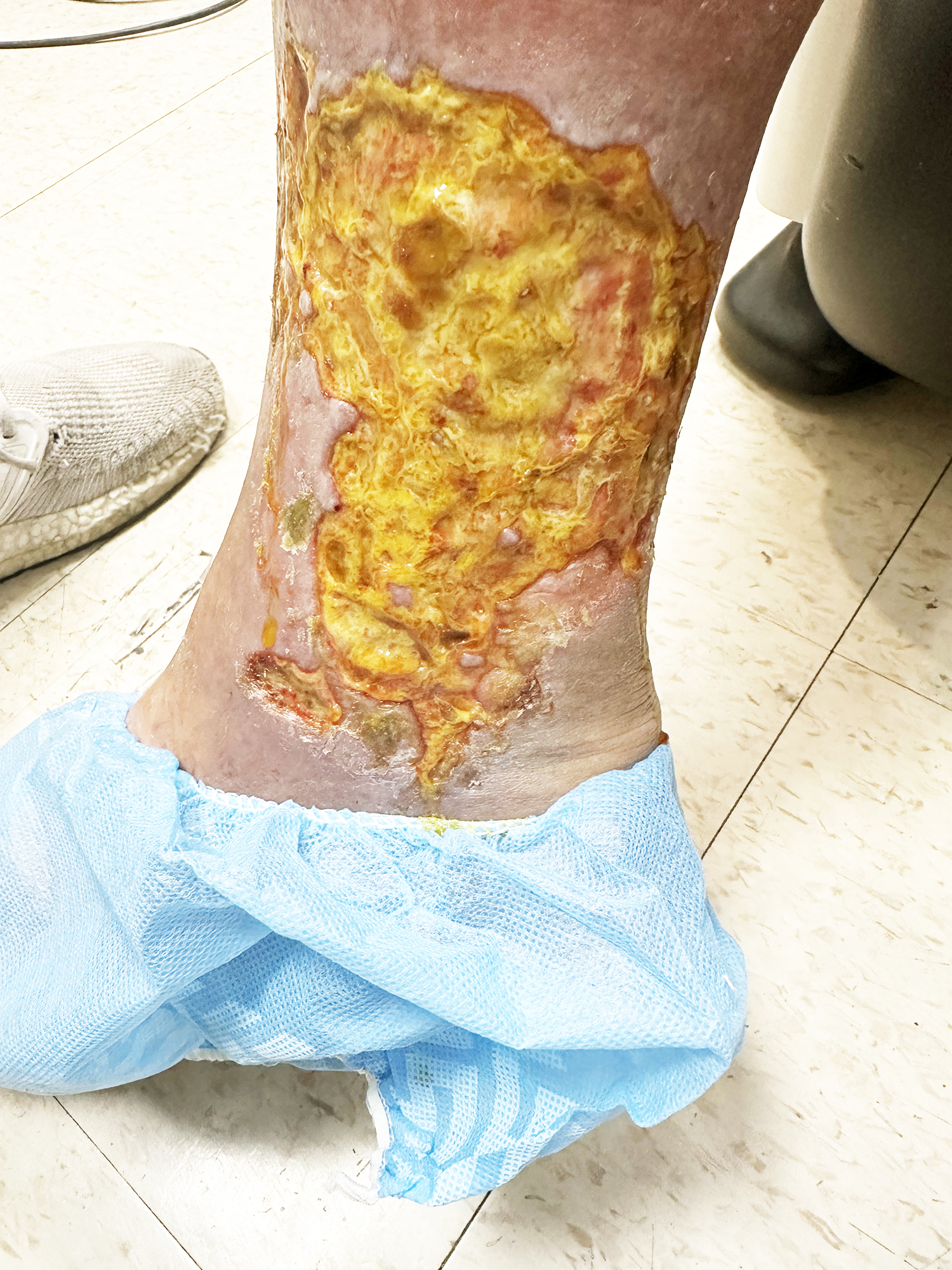
Before
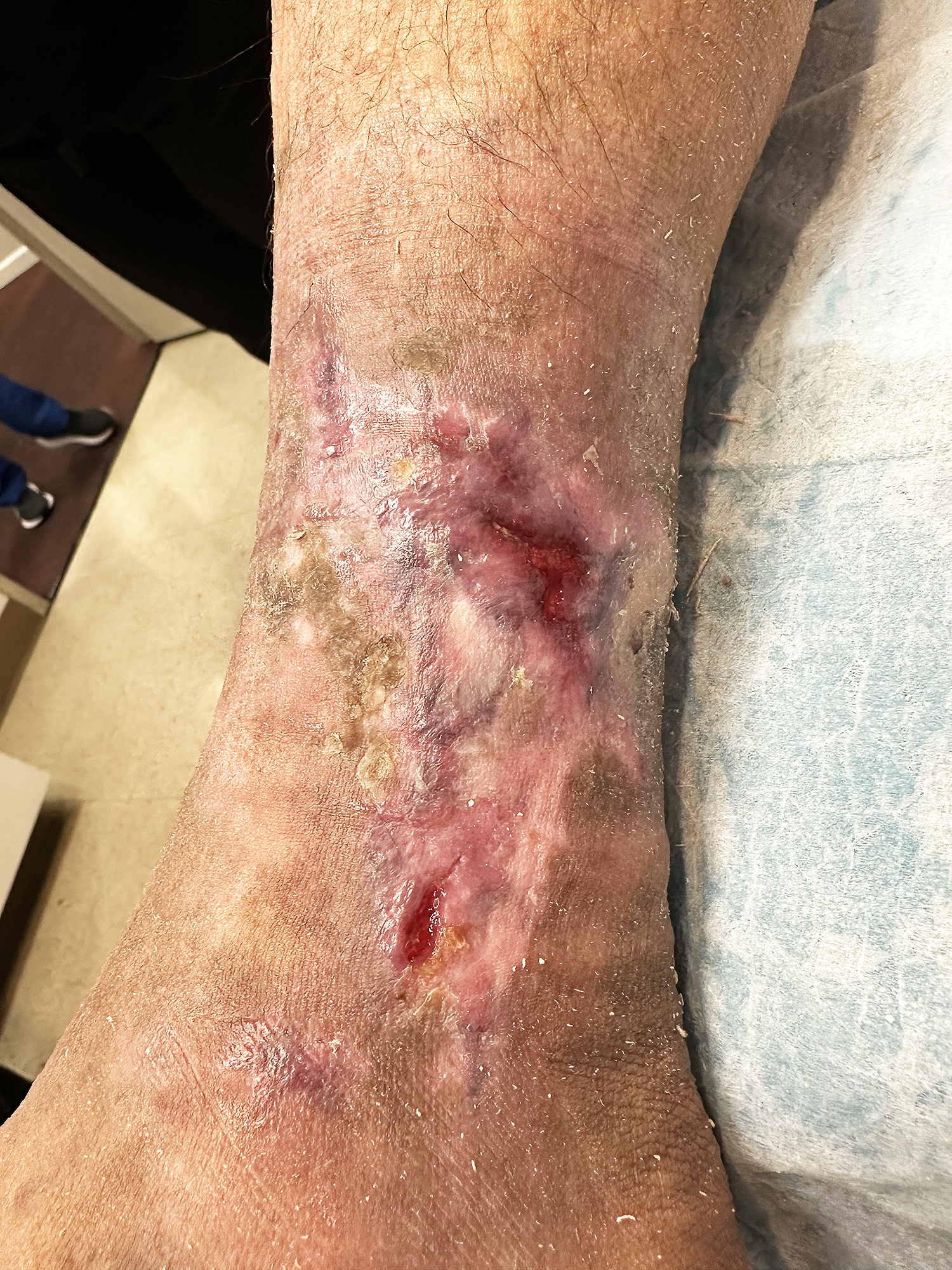
After
Compression treatment is a cornerstone in managing various vein and wound conditions. Whether you’re dealing with varicose veins, lymphedema, or chronic wounds, compression therapy can significantly alleviate symptoms and improve your quality of life. At the Vein and Wound Center of LA in Koreatown, we offer specialized compression treatment tailored to meet your unique needs, supporting both comfort and clinical outcomes. It is one part of our complete lineup of vein treatments. We provide them all under one roof so you can get the comprehensive care you need to enjoy the best possible results.
Under the expert guidance of Dr. Christopher Kim, a phlebologist with extensive training in vein disorders and wound healing, patients receive personalized care grounded in medical precision. His background in general surgery and venous disease allows him to identify circulation patterns that are often overlooked in retail or cosmetic settings, making compression therapy safer and more effective.
What Is Compression Treatment and What Is It Used For?
Compression treatment is a non-invasive therapy that uses specially designed garments—such as compression stockings, socks, or bandages—to apply gentle, graduated pressure to the legs. This pressure supports vein function and encourages proper upward blood flow, helping prevent blood from pooling in the lower extremities.
It is commonly used for:
• Varicose veins
• Chronic venous insufficiency
• Lymphedema
• Leg swelling
• Venous ulcers and chronic wounds
• Post-procedure recovery
• DVT prevention in appropriate cases
Compression can also relieve symptoms like leg fatigue, burning, and discomfort, and it often plays a vital role in wound healing and long-term vein health.
The Benefits of Compression Therapy
When properly fitted and used consistently, compression can provide:
• Improved blood circulation: Promotes healthy flow and reduces pooling
• Reduced swelling and pain: Helps move excess fluid from the legs
• Prevention of blood clots: Supports clot prevention in appropriate clinical cases
• Enhanced healing of wounds: Reduces edema that slows healing
• Support for vein function: Limits strain on damaged valves
For the right patients, compression is a low-risk and highly effective component of long-term venous management.
Conditions Treated With Compression Therapy
Compression treatment is effective for a variety of conditions, including:
• Varicose veins: Supports veins and reduces discomfort
• Lymphedema: Helps control fluid buildup and limb swelling
• Chronic venous insufficiency: Supports upward flow and reduces pressure
• Venous ulcers: Encourages healing by reducing edema
Types of Compression Used in Medical Care
Different clinical needs require different compression systems, such as:
• Graduated compression stockings
• Multilayer compression wraps
• Velcro-adjustable compression devices
• Intermittent pneumatic compression pumps
Compression Levels and What They Mean
Compression strength is prescribed based on your condition. Here are some general guidelines:
• 15–20 mmHg: Mild symptoms or prevention
• 20–30 mmHg: Most varicose vein and swelling cases
• 30–40 mmHg: Lymphedema, venous ulcers, advanced swelling
Higher levels typically require medical supervision.
Who Should Avoid Compression Without Medical Guidance
Some patients require evaluation before using compression:
• Peripheral arterial disease
• Acute skin infection
• Severe neuropathy
• Suspected DVT
• Significant cardiac or renal fluid concerns
A medical exam ensures compression is used safely.
How We Fit and Guide Patients at VWCLA
The effectiveness of compression depends on proper fit. At the Vein & Wound Center of LA:
• Trained staff take accurate measurements
• Compression level is selected based on diagnosis
• Patients are shown how to apply and remove garments
• Alternatives are offered for patients with dexterity or mobility issues
This individualized approach supports daily comfort and treatment success.
Why Choose Vein and Wound Center of LA?
At the Vein and Wound Center of LA, we pride ourselves on delivering exceptional care through a patient-centered approach. Dr. Christopher Kim combines his clinical expertise with individualized care, ensuring that each patient receives treatment tailored to their condition.
Our clinic boasts advanced vein and wound care capabilities and is supported by Dr. Kim’s training from institutions such as Harbor-UCLA and the University of Pittsburgh. With access to modern compression systems and ultrasound-guided evaluation, we provide thorough and effective care for patients in Los Angeles.
Say Goodbye to Discomfort and Swelling in Los Angeles, CA
If you’re experiencing swelling, heaviness, or symptoms related to vein disorders or chronic wounds, compression therapy may play an important role in your treatment. Contact the Vein and Wound Center of LA at (213) 654-8346 to schedule a consultation and learn which compression options support your long-term leg health.
Resources
• Wound, Ostomy and Continence Nurses Society (WOCN). Guideline for Management of Patients With Lower-Extremity Venous Disease. 2011.
• Society for Vascular Surgery & American Venous Forum. Gloviczki P, et al. J Vasc Surg. 2011;53(5 Suppl):2S-48S.
• International Lymphedema Framework. Compression Therapy: A Position Document. 2012.
• American Venous & Lymphatic Society (AVLS). Clinical education materials and consensus statements on compression therapy.
Frequently Asked Questions
What should I expect when I first start wearing compression?
Compression may feel snug at first. Most patients adjust within a few days. It should not cause pain—if it does, a refit may be needed.
How do I make compression easier to use day-to-day?
Putting stockings on in the morning, using donning gloves, keeping the skin moisturized, and avoiding rolling or folding the top band can make wear easier.
Can I use compression garments without a diagnosis?
A medical exam is recommended first. Conditions like arterial insufficiency or infections may require clearance before starting compression.
Do all compression stockings work the same?
No. Medical-grade compression differs from over-the-counter support socks. Proper strength and fit require clinical measurement.
How long should I wear compression each day?
Most patients wear compression during waking hours unless their provider recommends otherwise.
Does compression replace vein treatment?
Compression supports symptom relief but does not correct underlying venous reflux. It is often part of a combined treatment plan.